
Mistakes occur all the time. Education in South Africa is severely limited; largely caused by the Bela Act, which decimated the quality of schooling our country. This is perfectly exemplified by the effects caused by 30% percent pass rate in Matric; which in turn, explains why the top 7 criminal oligarchs who currently rule our country are constantly making disastrous errors in government. They are just plain stupid! and therefore are unable to govern the country or even to express themselves adequately in English.
However; to get back to the topic at hand – here are some examples of commonly occurring mistakes in English usage in South Africa. The following mistakes should have been corrected in primary school; but instead, they persist everywhere; in political statements, news reports, on advertising signs, in podcasts and even up to tertiary level and beyond at university. They even find their way into the corporate business world. They occur so often that people aceept them as normal – and the Bela Act made the situation even worse – So let’s fix them once and for all!
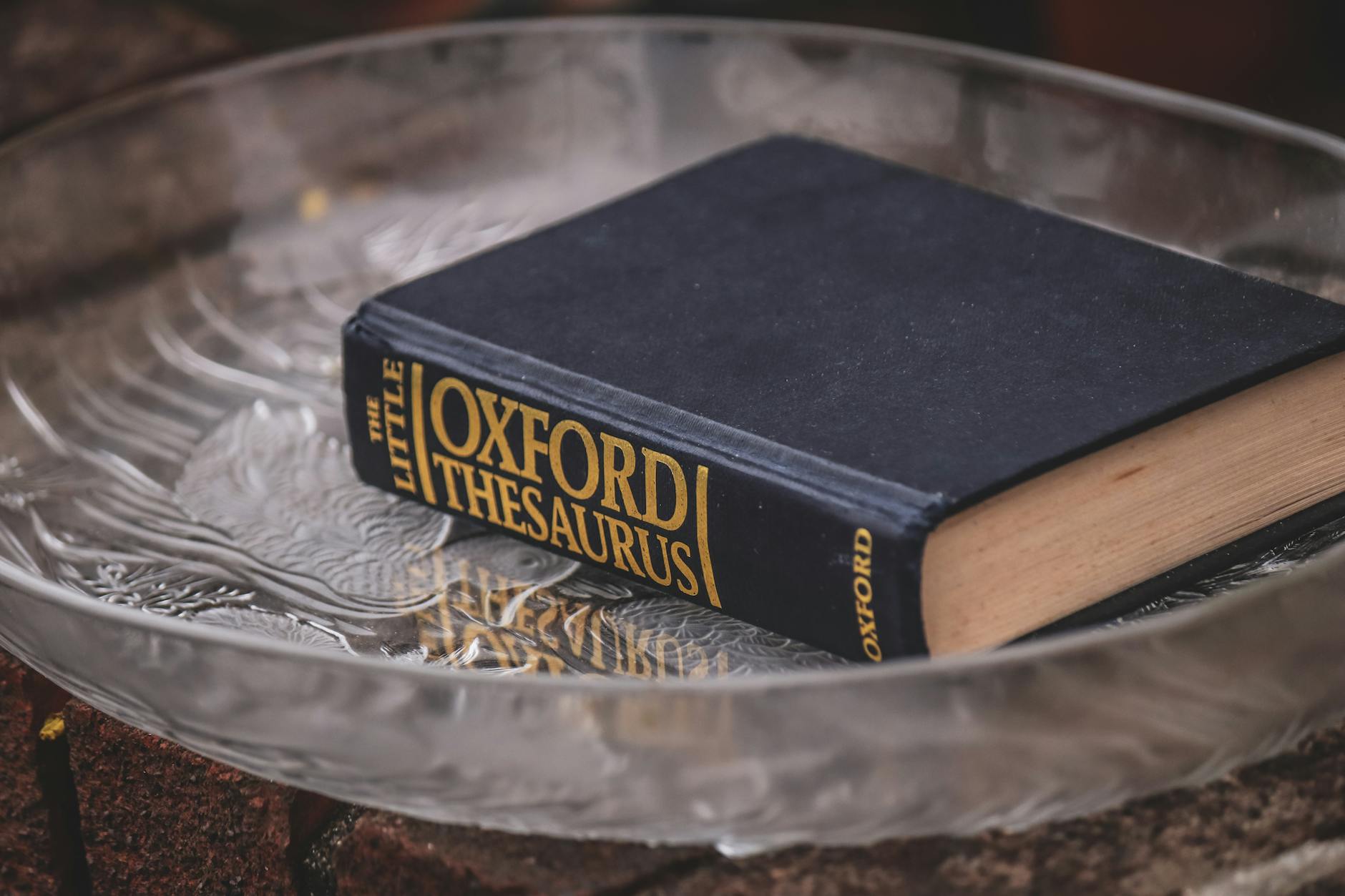
Qualifying Superlatives
Superlatives are words like; exceptional, unique, outstanding, miraculous, horrific, disgusting.They are adjectives that show that the object or person you are talking or writing about stands alone as the best or worst of its kind. It is the ultimate. It cannot be bettered.
So, you should never put an adverb such as very, extremely, perfectly or amazingly before a superlative. It doen’t add any meaning.
Example1: This pecture is ‘very unique‘. Wrong! There is no picture like that in the universe. There is only one in existence.
Example 2: ‘That was a very horrific movie’, – No- Wrong! – meaning that there is no other movie that is as horrifying as this one. The sentence should simply read; ‘That was a horrific movie’.
Using ‘what’ or ‘that’ instead of ‘who or whom, or ‘he’ or ‘she
Example 1 ‘The person that is in charge of catering is a marvellous chef.’ – Wrong! The person referred-to is a human being, not an inanimate object.
Therefore, the sentence should read; The person ‘who is in charge of catering is a marvellous chef.
Any more or anymore
‘Any more’ expressed as 2 words refers to quantity, not time.
Example 1: No thanks. I do not want ‘any more’ cake.
‘Anymore’, expressed as 1 word refers to time
Example 2: No, I don’t love you ‘anymore’ This is referring to time, meaning that – ‘the ‘time when I loved you is over.
At this point in time.
This is totally wrong because adding the words ‘in time’ is totally unnecessary because clearly, the speaker is referring is talking about time here and now, not in outer space, or underwater or in a certain location.
Example 1: “So, ‘at this point in time’, I wish to announce the winners.“
That is totally incorrect. The sentence should simply read;
“So, now, I will announce the winners.”
or, I will announce the winners in a few minutes.“
‘Comprises of’ instead of just ‘comprises’.
You should never use ‘comprises of‘
Example: ‘The livestock on the farm ‘comprises of’ cows, sheep and ducks. Wrong! – you should never use ‘comprises of’ – You should simply say; the livestock on the farm comprises cows, sheep and ducks.
Try to avoid over-using the following words and phrases:
- basically …
- according to …
- sources have revealed …
- as a result …
- challenging …
- asserted …
- likely …
- involves …
These words and phrases are over-used.
so, If you can, rather replace them with words or phrases that convey the meaning you are trying to pass-on to your readers more accurately.
The over-used words and phrases we have listed above are simply bad habits that have crept into English over-time; but they can be corrected very easily with practice.
Writers please note! Keep your English as straightforward as you can; without frills, unnecessary repetition or hackneyed phrases that are over-used.
Also, beware of over-using AI platforms like ChatGpt or Perplexity, because, although they are marvellous tools, the content they give you should never simply be regurgitated; especially because most readers are looking for straightforward uncluttered, useful content that will give them answers fast.
If you serve-up a mish-mash of repetitive waffle instead of well-expressed ideas in your own words, they will tend to skip away from your page very quickly… readers want to hear from you. They want to get to know you. Most readers will move-on in seconds if you present them with derivative fluff.
Recent Comments