
Instalment Four – The effects of AI on editors, proofreaders, copy editors, developmental editors, ghostwriters, teachers and workers in other professions.
The incredibly fast development of Ai:
… caused a shockwave that appears to be threatening the livelihoods of factory workers and owners, farmers, particularly smallholdings, and a wide range of people involved in academic fields whose livelihoods depend on the survival of the English language.
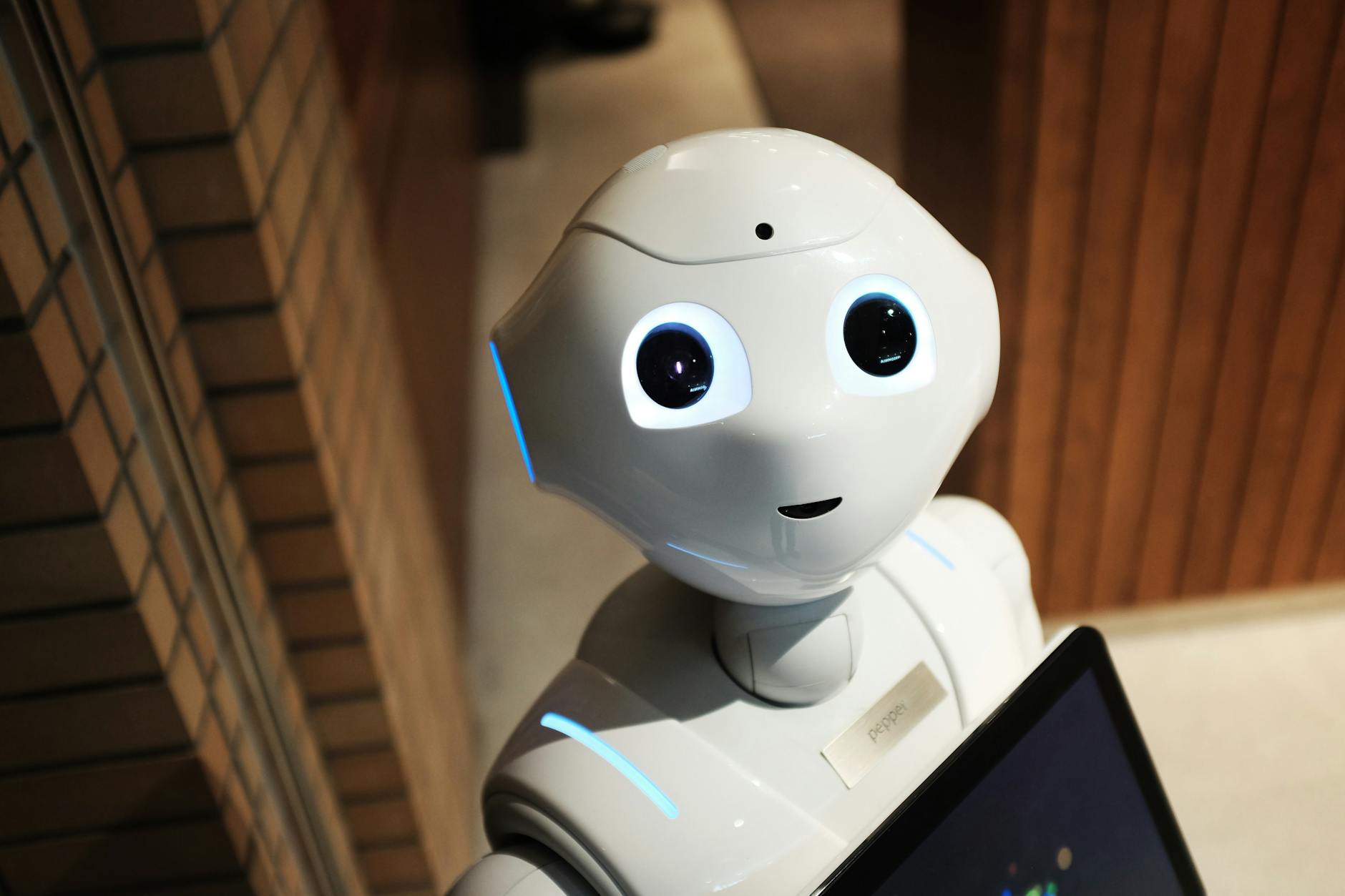
Many academics are concerned that platforms such as ChatGpt will take the place of human writers and editors as well as myriad workers practising professions and trades.
Even though we see huge factories with robots doing jobs that humans used to do; the more technologies factories use to make operations faster and more efficient; the more engineers will be needed to operate the computers and instrument panels that drive the machines; and the more technicians and engineers will be needed to repair the machines and perform maintainance.
The partners at Busy Bee Editing, Brenda and Hugo, who were justifiably concerned about robotic programmes taking away the jobs of writers, call centre operators, engineers and other occupations, including editors like ourselves; decided to do a deep dive into the effects of AI and robotics on all aspects of life.
What we discovered was that; far from taking away people’s jobs, AI can actually improve the standard of work of academics, writers, editors and the like by giving them access to wonderful AI tools that can help them to achieve a higher standard of writing by inviting them to use AI to:
- Improve grammar and spelling.
- Generate creative ideas for writers to take advantage of.
- Download AI generated graphics and pictures to enhance text
- Even write articles for writers in fields they are not familiar with – however, we do not advocate students grammaticnd graduates to overuse these facilities verbatim because plagiarism watchdog programmes will detect such overuse and impose penalties.
- While you are writing, and using platforms such as Grammarly, Google or WordPress; miraculously grammatrical and spelling corrections pop-up in the text that you can accept or reject, without having to go elsewhere on the Internet to access the information you need; as if you had an assistant sitting right beside you as you write.
These are just a few of the tools that can assist writers, editors and academics in general and the wonderful thing about such programmes is that they are often provided FREE!
One fantastic result we observed is that, contrary to popular belief that human creativity is disappearing due to AI advancement, we recently noticed an upsurge in people who have been inspired to write more; particularly among the youth.
Another thing about AI is that there are now literally thousands of opportunities for you the writer, to monetise you literary output to create wealth!
The other aspect about all this is that; for the foreseeably future, we believe that no computer programmes will be able to take over human creativity; so, during our lifetimes at least, no one in academically inclined fields will lose their jobs.
It is generally agreed that to date, computers are limited to the input data that has been put into them; so, humans will have the upper hand over AI for now. However, some research has been done showing that computers and robots are starting to learn how to draw conclusions from data that has been put into them. In other words, they can make deductions.
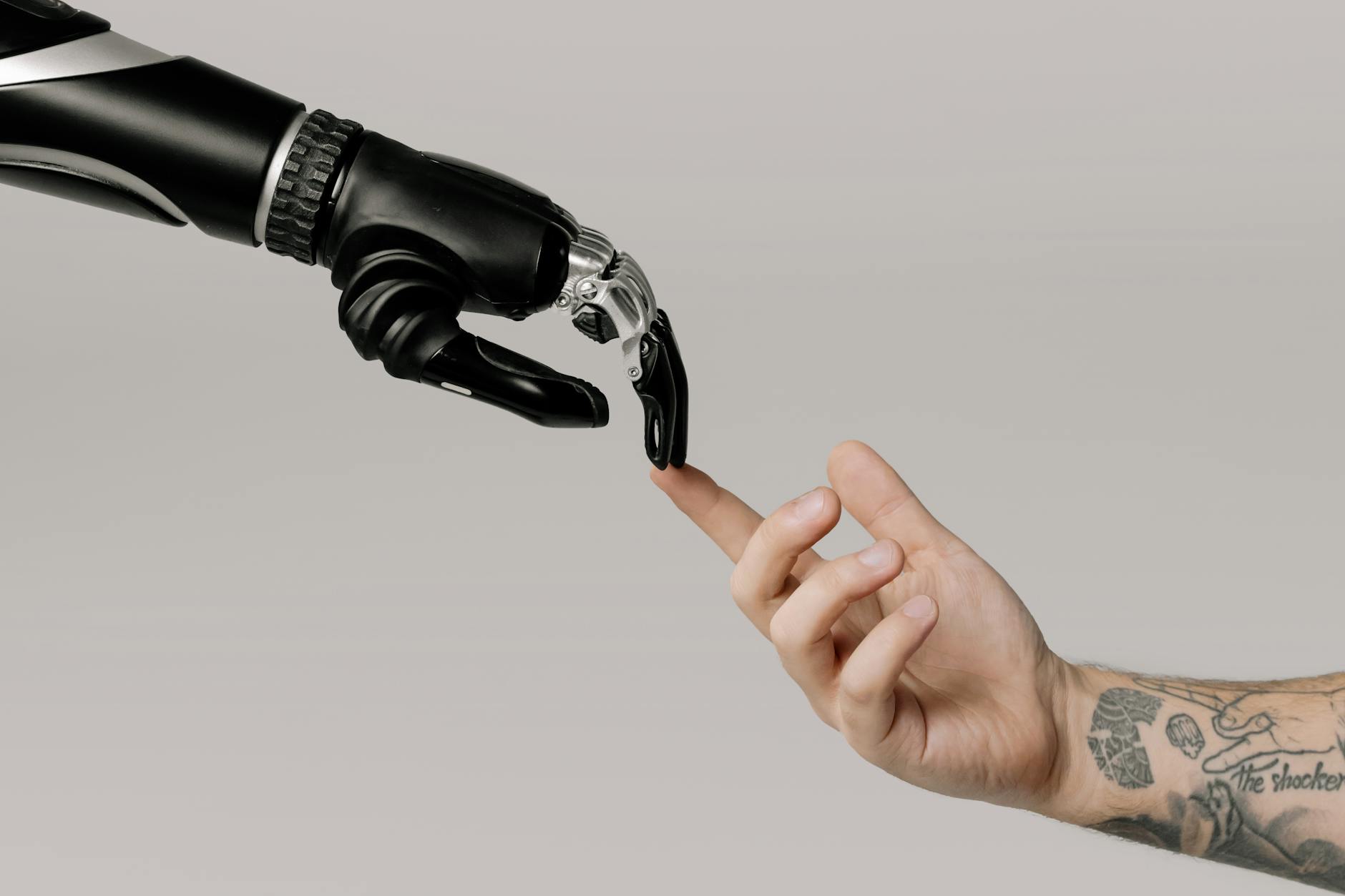
The trick is to work hand-in-hand with computer and AI technology to produce better outcomes for all.
The upshot of all this is that AI is not your enemy! It is your friend. I ask you – Where would we be today without Google and ChatGpt to help us to find out about absolutely everything?

Recent Comments