
By the year 2030, technology will have changed the world of work significantly. Artificial intelligence, automation and robotics will perform many tasks that are currently completed by people. This does not mean that human employment will disappear. Instead, some jobs will decline, others will change, and entirely new careers will emerge. The jobs most likely to remain will be those requiring human judgement, creativity, empathy, physical adaptability and advanced technological knowledge.
Healthcare will continue to be an important source of employment. Doctors, nurses, psychologists, physiotherapists and caregivers are unlikely to be completely replaced by machines. Artificial intelligence may help diagnose illnesses, analyse medical scans and recommend treatments, but patients will still need human reassurance and personal care. As populations grow and people live longer, demand for healthcare and elderly-care workers will probably increase. Mental-health professionals may also become more important as societies pay greater attention to stress, loneliness and emotional well-being.
Education will remain essential, although teachers’ responsibilities may change. Digital platforms and artificial intelligence tutors will help learners practise skills and access information. However, human teachers will still be needed to motivate students, explain difficult ideas, manage classrooms and support social development. Teachers may spend less time delivering standard lessons and more time mentoring learners and creating personalised learning experiences.
Technology-related careers will expand rapidly. Software developers, data scientists, cybersecurity specialists, robotics engineers and artificial intelligence experts will be needed to design and maintain increasingly complex systems. As more businesses depend on digital technology, cybersecurity will become especially important. Organisations will require professionals who can protect personal information, financial systems and national infrastructure from cyberattacks. There will also be jobs for people who monitor artificial intelligence, correct its mistakes and ensure that it is used responsibly.
Jobs connected to renewable energy and environmental protection are also likely to grow. Climate change and the transition away from fossil fuels will create demand for solar-panel installers, wind-turbine technicians, environmental scientists, electrical engineers and sustainability consultants. Workers will be needed to improve energy efficiency, manage water resources, develop cleaner transport systems and help communities adapt to extreme weather.
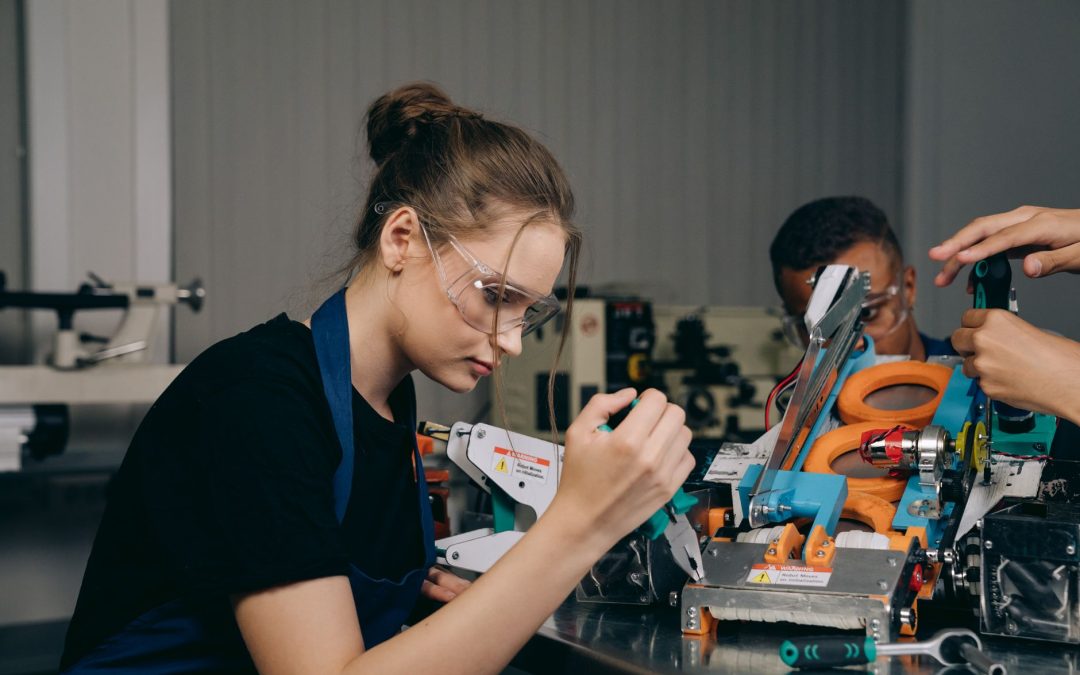
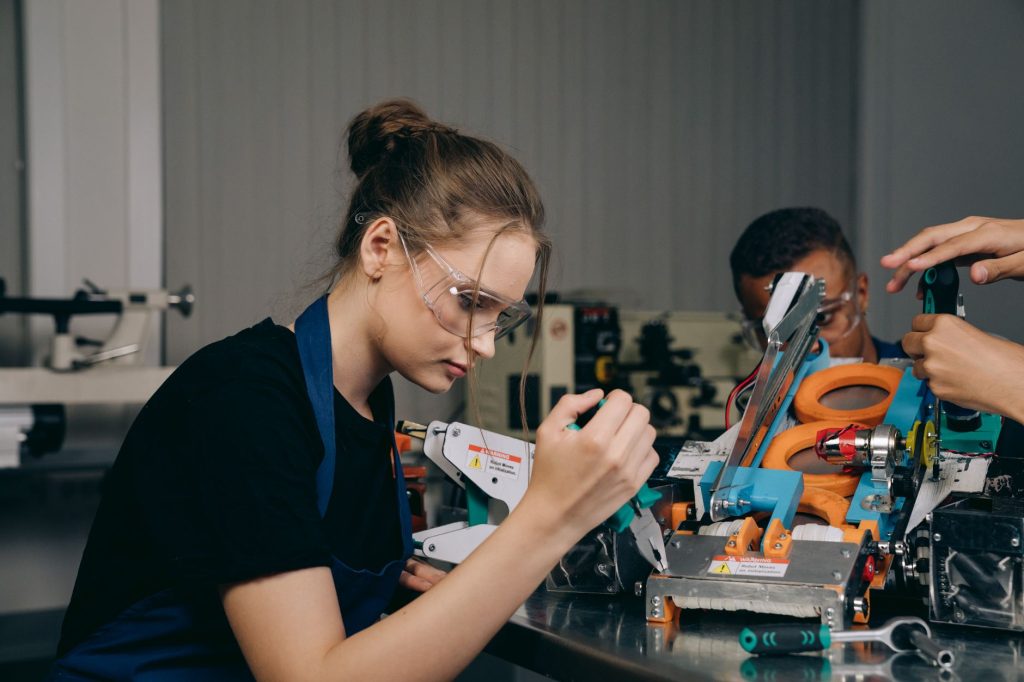
Many skilled trades will remain valuable. Electricians, plumbers, builders, mechanics and maintenance technicians work in unpredictable physical environments that are difficult to automate completely. Robots may assist them, but human workers will still need to diagnose unusual problems and adapt their actions to different situations. As homes, vehicles and cities become smarter, tradespeople will need additional digital and technical skills.
Creative and interpersonal careers will survive as well. Writers, designers, artists, filmmakers and musicians will increasingly use artificial intelligence as a tool. Although machines can generate content, people will still value original ideas, cultural understanding and authentic human expression. Managers, entrepreneurs, sales professionals, social workers and mediators will also remain important because their work depends on relationships, negotiation and trust.
Some routine occupations, such as data entry, basic bookkeeping, factory assembly and repetitive customer service, may become less common. Even so, automation will usually transform jobs rather than eliminate every position. Employees may work alongside intelligent machines, allowing technology to handle repetitive tasks while people focus on decisions and problem-solving.
Ultimately, the safest career in 2030 may not be one particular profession. The most valuable quality will be adaptability. People who continue learning, develop digital skills and strengthen uniquely human abilities will have the best opportunities. The future will belong to workers who can combine technological knowledge with creativity, empathy, critical thinking and practical experience.
At Busy Bee Editing we are already making sure that we stay aware of developments in technology, so, likewise, our customers will be kept informed of the latest trends in the field.
CONTACT DETAILS
Website: www.busybeeediting.co.za
You can Google us under Proofreading and Editing South Africa
Email: info@busybeediting.co.za
To view our latest blogposts, go to YouTube – type busybeeediting into the searchbar and our videos will come up
If you would like a quote, just complete our no obligation Quote Request Form in the website
or phone us at 0722444363

Recent Comments