
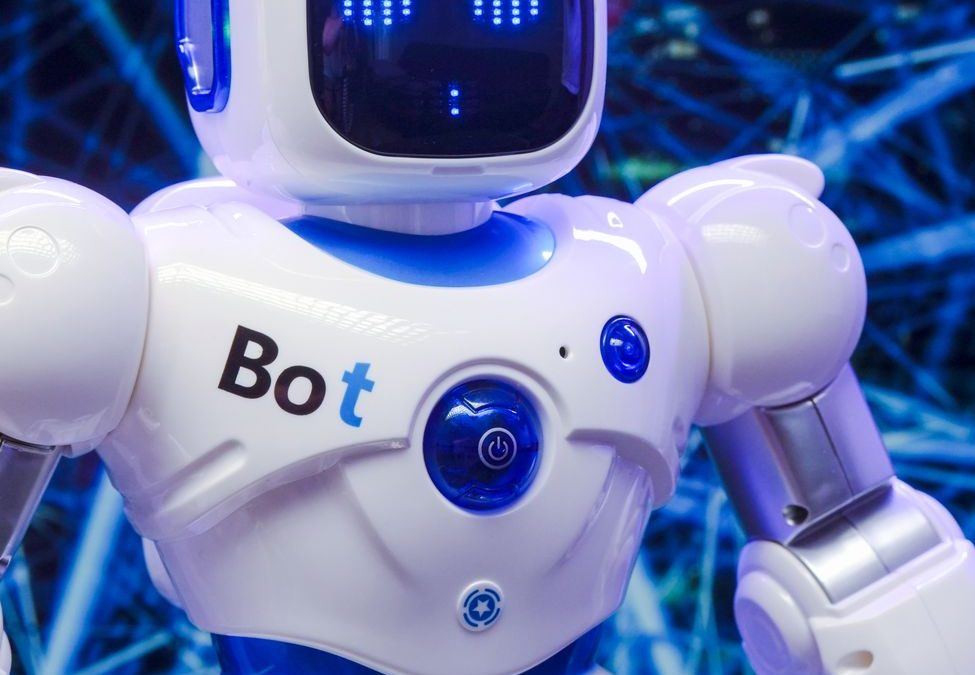
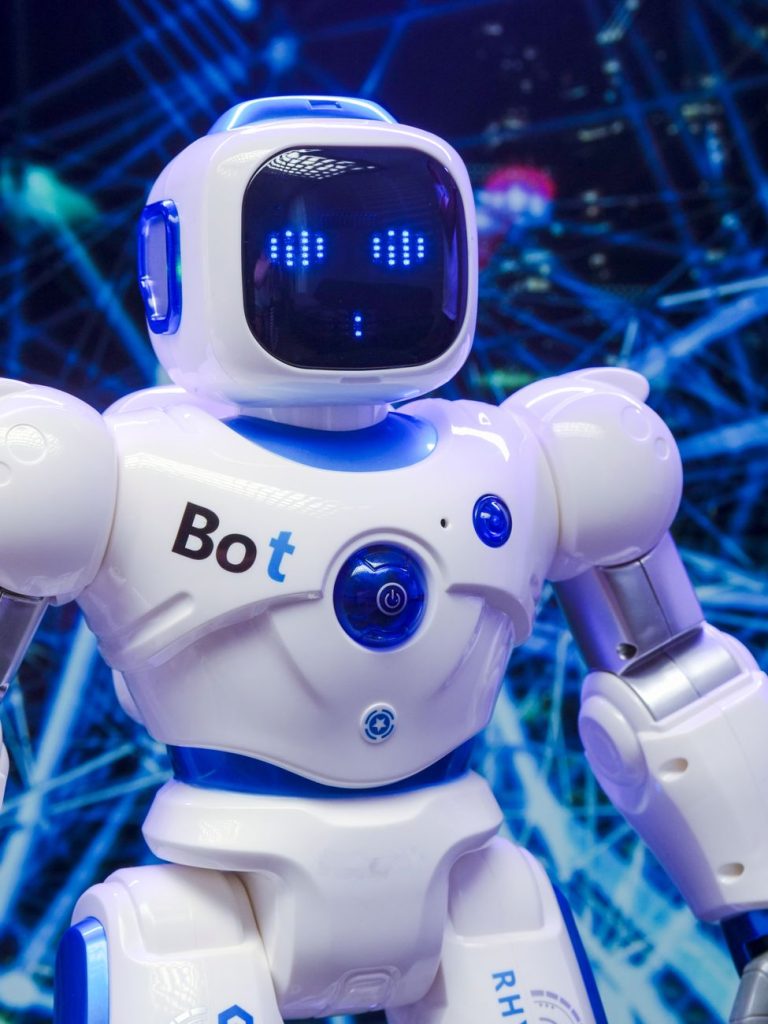
Artificial intelligence is no longer something that belongs in science-fiction movies. Artificial intelligence (AI) is already part of everyday life. It writes emails, creates images, analyses information, answers questions, prepares reports and completes tasks in seconds that might once have taken hours.
With AI developing so quickly, it is hardly surprising that employees, freelancers and business owners are asking an increasingly worrying question: Will AI take my job?
The concern is understandable. AI in the workplace is growing rapidly, and some repetitive tasks are already being automated. Jobs involving routine data entry, basic administration, simple customer enquiries and repetitive processing may be particularly affected by AI automation.
However, AI changing the way we work does not necessarily mean that humans are about to become unnecessary.
How Will AI Change Jobs?
Technology has been changing the workplace for generations. Computers transformed offices. Email changed business communication. Online banking changed the banking industry, while the internet revolutionised shopping, publishing, advertising and education.
Some jobs disappeared, but new jobs were created and many existing occupations simply evolved.
The future of work in the age of artificial intelligence is likely to follow a similar pattern, although the changes may happen much faster.
One important point is often overlooked: AI does not necessarily replace an entire job. More commonly, it replaces or assists with particular tasks within that job.
Consider an accountant. AI may analyse figures and identify patterns, but a client may still want a qualified professional to explain what those figures mean. A teacher might use AI tools to prepare learning material, but teaching also involves encouraging, observing and understanding students.
Similarly, an editor can use technology to identify possible errors, but professional editing requires an understanding of meaning, context, tone, audience and the writer’s intentions.
Can AI Replace Humans?
There is another important fact that sometimes gets lost in all the excitement surrounding AI:
AI can be wrong.
It can misunderstand instructions, invent information, overlook context and produce answers that sound convincing even when they are inaccurate.
Someone still needs to check the work, apply professional knowledge and take responsibility for the final decision.
This is why human skills such as critical thinking, communication, creativity, problem-solving, empathy and professional judgement remain so important.
How Can I Protect My Career from AI?
The safest workers of the future may not necessarily be those who refuse to use artificial intelligence. They may be those who learn how to use AI at work without becoming completely dependent on it.
Instead of asking, “How do I compete with AI?”, perhaps we should ask:
“How can AI help me do my job better?”
Developing AI skills and AI literacy is likely to become increasingly important. Understanding what AI can do, recognising what it cannot do and learning how to use appropriate tools could eventually become as normal as using email, Google or Microsoft Word.
At the same time, you should continue developing the qualities machines struggle to reproduce: creativity, empathy, communication, leadership, critical thinking, problem-solving and the ability to build genuine human relationships.
Is My Job Safe from AI?
Nobody can guarantee that every occupation will remain unchanged. Some jobs may disappear, new careers will emerge and many existing positions could look very different ten years from now.
But AI and job security do not have to be viewed entirely through fear.
Workers who are willing to adapt, continue learning and use new technology responsibly may discover that AI becomes a valuable workplace tool rather than a replacement.
Perhaps the greatest protection against becoming obsolete is not trying to hide from AI.
It is remaining willing to learn.
AI may change your job. It does not automatically have to take it.

Recent Comments